An application which requires an object to be measured for length and diameter as it travels along a conveyor belt may be solved using two types of sensors and a PLC.
Position a set of photoelectric sensors in a through-beam configuration so that the infrared beam crosses the conveyor. The object to be detected should break the beam as it travels. The photoelectric sensors will be used to measure the length of the object and also to trigger the measurement of the diameter by the ultrasonic sensor.
The ultrasonic sensor should be positioned above the conveyor facing downward and it should be well out of striking distance. The analog output from the ultrasonic sensor will be sent to the PLC, which should be programmed to calculate the diameter of the post based upon the sensor’s output.
The output from the photoelectric sensor actually serves two purposes. First, it will send a signal to the PLC indicating that the object is present. The PLC will then acknowledge the output from the ultrasonic sensor and begin its calculation. At the same time, the photoelectric sensors will help the PLC determine the length of the object using a calculation based upon the speed of the conveyor and the amount of time that the photoelectric sensors are blocked.
Though it sounds complicated, the hardest part of the application is the programming of the PLC, which should only be done by a trained professional. The benefits of using this equipment to solve the application are that the sensors are easy to install and they perform efficiently and reliably. Both measurements are done without physically contacting the object, so there are no moving parts to wear down.
Related products and information
Infrared photoelectric sensors for conveyor applications
Infrared photoelectric multiplexer for mutiple sets of photoelectric sensors

Showing posts with label log. Show all posts
Showing posts with label log. Show all posts

Saturday
How to Detect Boats in a Log Flume Ride
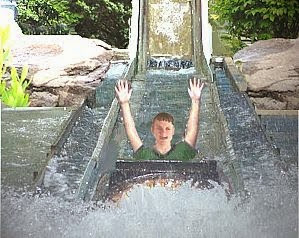
Purchase an industrial infrared photoelectric system. Check the ratings on the photo eyes and be sure they have an IP67 rating or better. Also check their range to be sure it is more than adequate to cover the entire distance across the river. If the photo eyes need to operate underwater, choose the most powerful combination of transmitter and receiver available.

Ask the manufacturer or distributor of photoelectric sensors for a demo set to test in your ride application before you buy. Try several sets from different companies side-by-side to determine which ones work the best. Follow a strict maintenance schedule and replace the photo eyes at least once a year. Your visitors will appreciate the extended ride uptime that quality sensors provide.
Related products and information
Super high-powered infrared photoelectric sensors for amusement parks
New infrared photoelectric amplifier for use with photoelectric sensors
Subscribe to:
Posts (Atom)